

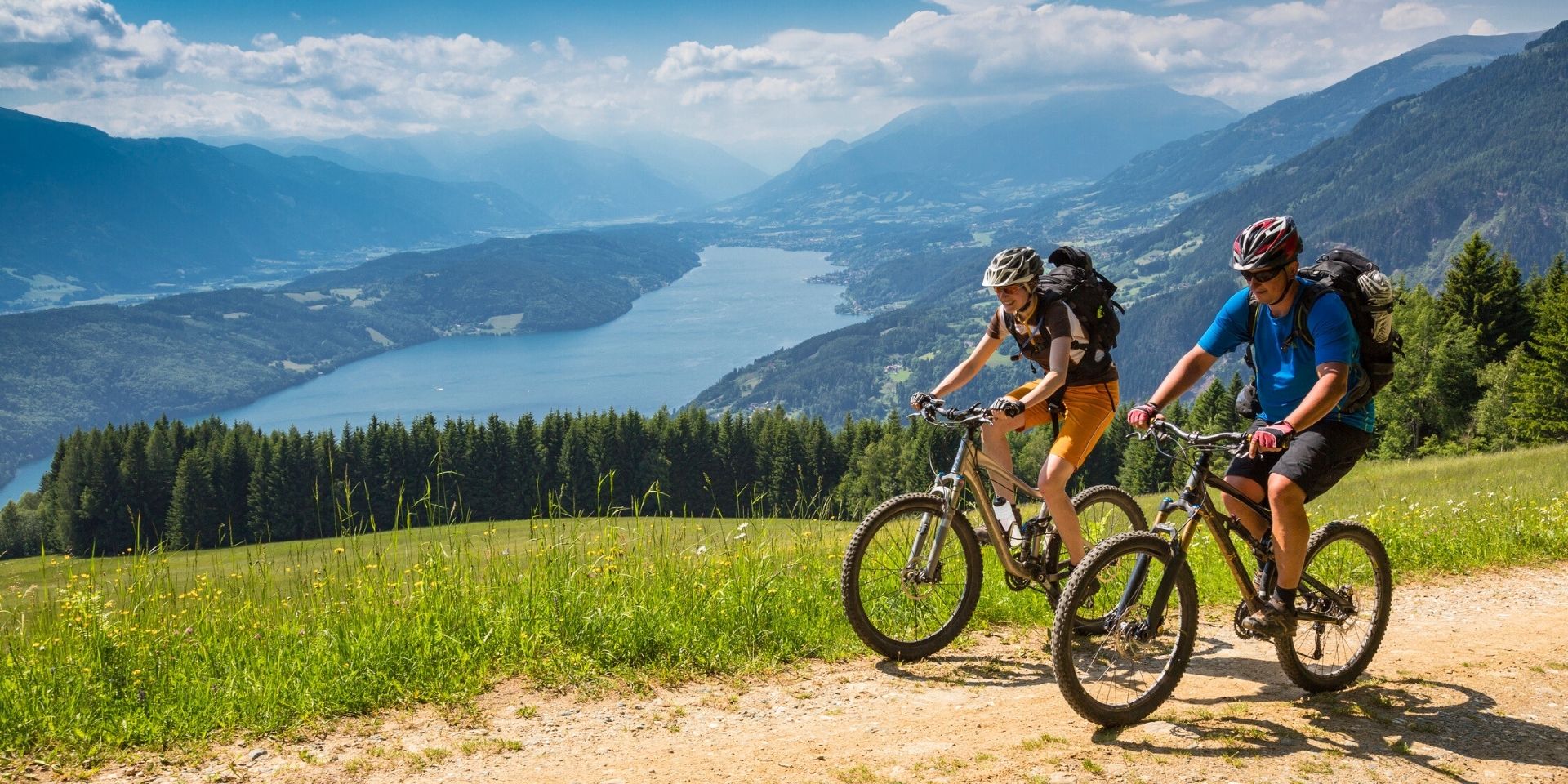
Embarking on a cycling adventure opens up a world of possibilities, allowing you to experience destinations with all your senses while moving at the perfect pace. Whether you’re planning a leisurely ride along scenic coastal paths or challenging yourself on mountain trails, having the right knowledge and equipment is essential for an enjoyable journey. The growing popularity of cycling holidays has introduced many travelers to the joy of exploring on two wheels, but it also brings important decisions about bike selection, equipment, and preparation.
At FunActive Tours, we’ve guided cyclists of all experience levels through Europe’s most breathtaking landscapes, and we’ve learned that proper preparation enhances every aspect of the cycling experience. From choosing between traditional bikes and e-bikes to understanding what equipment will keep you comfortable for days on the saddle, these decisions can significantly impact your adventure.
This comprehensive article brings together essential tips and bikes advice to help you make informed choices before your next cycling holiday. We’ll explore everything from selecting the right type of bike for your specific journey to ensuring your valuable equipment remains secure throughout your travels. Whether you’re a seasoned cyclist or planning your first biking holiday, these insights will help you create a memorable and trouble-free experience on the open road.
Choosing the right bike for your journey
The foundation of any successful cycling adventure begins with selecting the appropriate bike for your specific needs. The market offers various options, each designed for different terrains and riding styles. Understanding these differences is crucial before making your decision.
Traditional bicycles provide an authentic riding experience and are perfect for travelers who enjoy the physical challenge. They’re lighter, more maneuverable, and require no battery charging. However, they demand more physical exertion, especially on hilly routes or longer journeys.
E-bikes, on the other hand, have revolutionized cycling tourism by making it accessible to more people. These come in two main categories: Pedelecs and S-Pedelecs. Standard pedelecs offer motor assistance up to 25 km/h and follow the same rules as regular bicycles. S-Pedelecs can reach speeds up to 45 km/h but require a license, helmet, and are restricted to roads rather than bike paths.
When considering terrain, road bikes excel on smooth, paved surfaces with their lightweight frames and thin tires, making them ideal for covering long distances efficiently. Mountain bikes, with their robust construction and wider tires, handle rough trails and unpaved paths with ease. For those seeking versatility, hybrid bikes offer a balance between speed and durability.
Your physical condition, the route’s difficulty, and your overall cycling experience should guide your choice. Remember that the right bike enhances your journey, allowing you to focus on the beautiful landscapes rather than struggling with equipment unsuited to your needs.
Battery power: understanding capacity and range
When choosing an e-bike for your cycling adventure, battery capacity becomes a crucial consideration that directly impacts your riding experience. Battery capacity is measured in watt-hours (Wh), with modern e-bikes offering ranges from 300Wh in entry-level models to 750Wh in premium options. This capacity determines how far you can travel before needing a recharge.
Your intended use should guide your battery selection. For short commutes or day trips, a smaller capacity battery might suffice. However, for multi-day cycling tours through varied terrain, investing in a higher capacity battery proves invaluable. Some advanced models even offer the possibility of mounting a second battery, effectively doubling your range for those ambitious long-distance adventures.
Several factors affect battery consumption during your journey:
- Assistance level – Riding in eco mode significantly extends range compared to using turbo or high-power settings
- Terrain profile – Climbing hills consumes substantially more battery power than flat sections
- Rider weight and cargo – Heavier loads require more assistance, reducing overall range
- Weather conditions – Headwinds and cold temperatures can decrease battery efficiency
- Riding style – Frequent stops and starts drain the battery faster than maintaining consistent speeds
When in doubt about which capacity to choose, we recommend erring on the side of more power. Not only does this provide a comfortable buffer for unexpected circumstances, but it also accounts for the natural capacity decline that occurs as batteries age. Remember that proper charging practices and storage in moderate temperatures will help maintain your battery’s health and longevity throughout your cycling adventures.
Essential equipment for safe and comfortable cycling
Beyond choosing the right bike, equipping yourself properly ensures both safety and comfort throughout your cycling journey. Quality equipment transforms a challenging ride into an enjoyable experience, particularly on multi-day tours where small discomforts can compound over time.
Safety should always be your primary concern. A properly fitted helmet is non-negotiable, regardless of local regulations. For e-bikes that reach higher speeds, consider models with enhanced protection. Visibility equipment is equally important – front and rear lights that function independently of your bike’s battery ensure you remain visible even if power fails. Reflective clothing or accessories further enhance your visibility, especially during early morning or evening rides.
For braking systems, hydraulic disc brakes offer superior stopping power, particularly important for heavier e-bikes or when carrying luggage. They perform reliably in all weather conditions and require less hand strength to operate effectively, reducing fatigue on long descents.
Comfort features make a significant difference on extended journeys. A properly fitted saddle prevents discomfort and potential injuries – remember that the most padded option isn’t necessarily the best for distance cycling. Ergonomic grips reduce hand numbness, while cycling-specific clothing with padded shorts eliminates chafing and improves moisture management.
For practicality, consider fenders to protect against splashes, especially in variable weather conditions. Pannier racks and bags distribute weight evenly and keep your center of gravity low, improving stability. A reliable water bottle system and easy-access nutrition storage help maintain your energy levels throughout the day.
Finally, don’t overlook navigation tools – whether a handlebar-mounted smartphone holder or a dedicated cycling GPS. These devices help you stay on route and discover points of interest along your journey, enhancing your overall cycling experience.
Weight considerations for bike transportation
The weight of your bicycle becomes a significant factor when planning transportation to and from your cycling destination. This is particularly relevant for e-bikes, which typically weigh between 20-30 kilograms – substantially more than traditional bicycles due to their motors and batteries.
When transporting bikes by car, ensure your bike rack is rated for the combined weight of all bicycles. Standard racks designed for conventional bikes may not accommodate the additional weight of e-bikes. Specialized e-bike carriers feature reinforced construction and often include loading ramps to assist with mounting these heavier machines. Before purchasing or using a rack, verify its maximum weight capacity and confirm compatibility with your vehicle’s specifications.
For air travel, weight restrictions become even more critical. Most airlines impose strict limits on sporting equipment, with additional fees for overweight items. Consider removing the battery before flying (a requirement for many airlines due to safety regulations) and packing it separately according to carrier guidelines. Investing in a quality bike travel case with proper padding provides protection while minimizing added weight.
Public transportation presents another set of challenges. Trains, buses, and ferries often have specific policies regarding bicycle transportation, with some services restricting or prohibiting e-bikes due to their weight and size. Research these policies in advance and consider services specifically designed for cyclists, such as dedicated bike shuttles in popular cycling regions.
Beyond transportation logistics, also consider the bike’s maximum weight capacity. This figure includes the combined weight of the rider, bike, and luggage. For touring cyclists carrying panniers or other luggage, this becomes particularly important. A bike with a total capacity of 125kg and weighing 25kg itself leaves only 100kg for rider and equipment – potentially limiting for some cyclists with substantial gear.
Proper planning around these weight considerations ensures smoother logistics and prevents unexpected complications that could disrupt your cycling adventure.
Motor types and their impact on performance
The motor is the heart of any e-bike, and its type significantly influences the riding experience. Understanding the differences between motor configurations helps you select a bike that matches your specific cycling needs and preferences.
E-bikes typically feature one of two main motor placements: hub motors or mid-drive motors. Hub motors can be installed in either the front or rear wheel, with each position offering distinct characteristics. Front hub motors are generally the most economical option but shift the bike’s weight distribution forward, potentially affecting handling and increasing the risk of slipping on loose surfaces. The altered center of gravity makes steering less precise, particularly noticeable during technical riding.
Rear hub motors provide better weight distribution and traction but have their limitations. They’re incompatible with certain gearing systems like internal hub gears or coaster brakes. Additionally, they can complicate wheel removal for maintenance or flat repairs, as the motor connections must be disconnected.
Mid-drive motors, positioned at the bike’s bottom bracket, represent the premium option in the e-bike market. Their central location maintains the bike’s natural balance point, resulting in more intuitive handling that closely resembles a traditional bicycle. These motors apply power directly to the drivetrain, working harmoniously with the bike’s gears to optimize efficiency across various terrains and speeds. This configuration allows riders to tackle steep climbs more effectively by shifting to appropriate gears while maintaining motor assistance.
Beyond placement, motors also vary in power delivery characteristics. Some provide smooth, natural assistance that seamlessly augments your pedaling effort, while others deliver more aggressive power that you’ll distinctly feel. The control systems also differ in responsiveness – how quickly the motor engages when you start pedaling and how accurately it matches your effort level.
When test riding potential e-bikes, pay particular attention to how the motor’s characteristics align with your riding style and the terrain you’ll encounter on your cycling adventures.
Budget considerations: quality vs. price
When investing in a bike for your cycling adventures, striking the right balance between quality and price requires careful consideration. While budget constraints are a reality for most cyclists, understanding where to allocate your resources can make the difference between a frustrating experience and years of reliable performance.
Quality bicycles, especially e-bikes, represent a significant investment. Entry-level e-bikes with acceptable components typically start around €2,000, with premium models easily exceeding €4,000. Traditional bicycles offer more budget-friendly options, but even here, investing in quality pays dividends in performance and durability.
The true cost of ownership extends beyond the initial purchase price. Lower-quality components wear faster and require more frequent replacement, potentially erasing any initial savings. This is particularly evident in drivetrain components, braking systems, and for e-bikes, battery technology. A quality derailleur or hydraulic braking system might cost more initially but will provide more consistent performance and greater longevity.
For e-bikes specifically, the motor and battery represent the most expensive components. Cutting corners here often results in less reliable assistance, shorter range, and potentially costly repairs. Established motor manufacturers have refined their technology through extensive research and real-world testing, resulting in systems that deliver consistent performance over thousands of kilometers.
If budget constraints are significant, consider prioritizing the frame and motor (for e-bikes) while accepting more modest components in areas that can be upgraded later. A quality frame with the correct geometry for your needs provides the foundation for future improvements. Alternatively, exploring the certified pre-owned market from reputable dealers can offer significant savings while still providing quality assurance.
Remember that a bicycle that performs reliably and comfortably will encourage more frequent use, ultimately providing better value than a cheaper option that creates frustration or requires constant attention. The most expensive bike isn’t necessarily the best fit for your needs, but investing in appropriate quality for your intended use will enhance your cycling experience for years to come.
Maintenance tips for long-lasting enjoyment
Regular maintenance extends your bike’s lifespan and ensures reliable performance throughout your cycling adventures. Establishing simple care routines prevents minor issues from developing into costly repairs and keeps your bike running smoothly when you need it most.
After each ride, particularly in challenging conditions, take a few minutes for basic cleaning. Wipe down the frame and components to remove dirt, salt, and moisture that can accelerate corrosion. Pay special attention to the drivetrain, where grit and grime can increase wear on expensive components. For e-bikes, avoid high-pressure water that might penetrate electrical connections – instead, use damp cloths and specialized bike cleaners.
Lubrication is essential for smooth operation. Apply chain lubricant appropriate for your riding conditions – lighter formulations for dry environments and more durable options for wet or muddy terrain. Remember that over-lubrication attracts dirt, so wipe excess product after application. Periodically lubricate other moving parts like derailleur pivots and brake levers to maintain smooth operation.
Before longer journeys, perform these quick mechanical checks:
- Tire pressure and condition – Inspect for cuts or embedded objects and maintain recommended pressure
- Brake performance – Verify that brakes engage smoothly and pads have adequate material remaining
- Shifting precision – Ensure all gears engage cleanly without skipping or hesitation
- Bolt tightness – Check critical connections including stem, handlebars, and seat post
- Battery charge (for e-bikes) – Confirm sufficient capacity for your planned route
For e-bike owners, battery care deserves special attention. Store batteries at moderate temperatures (10-20°C is ideal) and at approximately 40-80% charge for extended periods of non-use. Complete discharge cycles occasionally but avoid frequently depleting the battery entirely, as this can reduce overall lifespan.
Schedule professional maintenance annually or every 2,000-3,000 kilometers, particularly for hydraulic systems and electronic components that require specialized knowledge and tools. This preventive approach identifies potential issues before they lead to component failure or safety concerns.
Your adventure awaits: making the most of your cycling journey
Armed with these tips and insights about bikes, you’re now ready to embark on your cycling adventure with confidence. The right equipment, properly maintained and secured, will be your reliable companion as you discover breathtaking landscapes and immerse yourself in new cultures at the perfect pace. Remember that the journey begins long before you pedal your first kilometer, thoughtful preparation ensures that your focus remains on the experience rather than equipment concerns.
At FunActive Tours, we understand that every cyclist has unique preferences and requirements. Our extensive range of cycling holidays caters to all experience levels, from leisurely explorers to dedicated enthusiasts seeking challenging terrain. Whether you prefer the natural riding experience of a traditional bike or the assistance of an e-bike, we have the perfect itinerary waiting for you.
Ready to transform these tips into an unforgettable cycling experience? Explore our comprehensive selection of bike holidays and discover how our expertly crafted routes can bring your cycling dreams to life.