
The Dolomites represent one of Europe’s most spectacular mountain ranges, offering breathtaking landscapes that combine dramatic limestone peaks with lush alpine meadows. When planning travel to Dolomites, you’ll discover a region rich in outdoor activities, cultural heritage, and culinary delights. This guide breaks down your journey planning into five manageable steps to ensure an unforgettable experience in this UNESCO World Heritage site.
Unlike Italy’s more frequented tourist destinations like Rome or Venice, the Dolomites provide a refreshing escape into nature while still delivering authentic Italian experiences – with a unique Alpine twist. Whether you’re seeking challenging hiking trails, world-class skiing opportunities, or simply wish to immerse yourself in the region’s distinctive blend of Italian and Austrian influences, proper planning will enhance every aspect of your adventure.
From selecting the ideal season for your preferred activities to navigating transportation options and choosing accommodations that perfectly match your travel style, this comprehensive guide will walk you through everything you need to know to create your perfect Dolomites itinerary. Let’s begin your journey into one of Italy’s most magnificent natural treasures.
Understanding the Dolomites: Italy’s alpine treasure
The Dolomites form a distinctive mountain range in northeastern Italy, part of the Southern Limestone Alps. Originally known as the “Pale Mountains” due to their light-colored dolomitic limestone composition, these peaks create one of the most visually striking landscapes in Europe. When planning travel to Dolomites, it’s essential to understand what makes this region so special.
Located primarily in the provinces of South Tyrol, Trentino, and Belluno, the Dolomites showcase a fascinating cultural blend. Here, Italian and Germanic influences converge, creating unique linguistic and culinary traditions. In many villages, you’ll hear Ladin (an ancient Rhaeto-Romance language), Italian, and German spoken interchangeably, with road signs often displaying multiple languages.
What truly distinguishes the Dolomites is their extraordinary geology. The mountains feature vertical walls, sharp pinnacles, and plateaus that dramatically contrast with the green valleys and alpine meadows below. This distinctive landscape earned the region UNESCO World Heritage status for its exceptional natural beauty and geological significance.
The area’s rich history is equally compelling, with remnants of World War I fortifications still visible along many trails. During the Great War, the front line between Italian and Austro-Hungarian forces ran directly through these mountains, leaving behind a poignant historical legacy that adds depth to any visit. Today, these historical sites offer hikers a glimpse into the region’s complex past while exploring its natural wonders.
When to visit the Dolomites: seasonal highlights
The Dolomites offer distinct experiences throughout the year, making the timing of your visit crucial when planning travel to Dolomites. Each season presents its own charm and array of activities, allowing you to tailor your experience to your preferences.
Summer (June-September) brings warm temperatures and clear skies, creating ideal conditions for hiking, mountain biking, and rock climbing. The alpine meadows burst with colorful wildflowers, while the longer daylight hours maximize exploration time. This is peak season for hiking enthusiasts, with trails ranging from gentle family walks to challenging multi-day treks like the Alta Via routes. Summer also hosts numerous cultural festivals celebrating local traditions, music, and cuisine.
Autumn (October-November) transforms the landscape with spectacular foliage as larch forests turn golden against the limestone peaks. This shoulder season offers quieter trails, reduced accommodation rates, and comfortable hiking temperatures. Photographers particularly treasure this period for the dramatic lighting and color contrasts. Be aware that some mountain huts and cable cars begin closing in late October as operators prepare for winter.
Winter (December-March) converts the Dolomites into a world-class winter sports destination. The region boasts the Dolomiti Superski network, connecting 12 ski areas with over 1,200 km of slopes. Beyond alpine skiing, visitors can enjoy cross-country skiing, snowshoeing, and ice climbing. The famous Sella Ronda circuit allows skiers to circumnavigate the Sella massif in a single day. Winter also brings the magical Christmas markets to mountain villages.
Spring (April-May) represents another shoulder season, characterized by melting snow, flowing streams, and emerging vegetation. While some higher trails remain snow-covered, lower elevations offer pleasant hiking opportunities. This period typically features fewer tourists and reduced prices, though weather can be unpredictable with occasional rain showers.
Transportation options: reaching the Dolomites from major cities
When planning travel to Dolomites, understanding your transportation options from Italy’s major cities is essential for a smooth journey. The mountain range’s location in northeastern Italy makes it accessible from several gateway cities, each offering different routes and travel experiences.
From Venice: Venice serves as one of the most convenient entry points to the Dolomites, located approximately 160 km away. From Venice’s Santa Lucia train station, you can take a train to Calalzo-Pieve di Cadore-Cortina, which connects to bus services reaching popular Dolomites destinations. The journey takes between 2.5 to 4 hours depending on connections. Alternatively, renting a car provides greater flexibility for exploring the region, with the drive from Venice taking about 2.5 hours to reach the southern Dolomites.
From Milan: Though slightly farther away, Milan offers excellent access to the western Dolomites. The most efficient option is driving, which takes approximately 4-5 hours as you navigate through the mountainous terrain. The scenic route passes numerous castles and picturesque villages. If you prefer public transportation, trains run from Milano Centrale to Bolzano/Bozen (the capital of South Tyrol) in about 3 hours, with connecting buses to various Dolomites destinations.
From Munich: For those arriving from northern Europe, Munich provides a convenient gateway. Regular trains connect Munich to Bolzano/Bozen in approximately 4 hours, passing through breathtaking Alpine scenery. Bus connections from Bolzano then service major Dolomites villages.
Local transportation: Once in the region, an efficient network of local buses connects major towns and hiking trailheads during the summer and winter seasons. Many accommodations also offer shuttle services to popular destinations. For maximum flexibility, particularly if planning to explore multiple valleys, having your own vehicle is advantageous, though parking can be limited at popular trailheads during peak season.
Where to stay in the Dolomites: accommodation for every budget
Finding the perfect accommodation forms a crucial element when planning travel to Dolomites. The region offers diverse lodging options across various price points, each providing unique perspectives on the stunning mountain landscape.
Luxury mountain retreats: The South Tyrol region particularly excels in high-end accommodations that blend traditional Alpine architecture with contemporary luxury. Towns like Cortina d’Ampezzo, known as the “Queen of the Dolomites,” feature elegant hotels with spa facilities where you can rejuvenate after a day of outdoor activities. Many luxury properties in Val Gardena and Alta Badia offer floor-to-ceiling windows framing spectacular mountain views, gourmet restaurants serving refined interpretations of local cuisine, and wellness centers featuring indoor-outdoor pools.
Mid-range boutique hotels: Throughout the Dolomites, family-run boutique hotels provide comfortable accommodations with authentic local character. These establishments often occupy renovated historic buildings in picturesque villages like Ortisei, San Cassiano, and La Villa. Expect thoughtfully designed rooms with wooden furnishings, excellent breakfast spreads featuring regional specialties, and personalized service from owners who can provide insider tips on local hiking trails and activities.
Budget-friendly options: Travelers with limited budgets can choose from numerous guesthouses, mountain huts (rifugi), and small hotels that offer clean, comfortable rooms at reasonable prices. The Cadore and Fassa valleys tend to feature more affordable options compared to the more exclusive areas. Many rifugi situated along popular hiking routes provide basic dormitory-style accommodations that immerse you in the mountain environment, often including half-board options with hearty local meals.
Strategic locations: When selecting your base, consider Val Gardena, Santa Cristina, or Alta Badia for their central positions that allow easy access to multiple hiking areas and ski slopes. Staying near lakes like Braies Lake or Carezza Lake provides stunning waterfront settings, while villages such as Selva di Val Gardena offer excellent transportation connections to explore the broader region.
Essential experiences in the Dolomites region
When planning travel to Dolomites, certain signature experiences should feature prominently on your itinerary to truly appreciate this remarkable region. These activities showcase the area’s natural splendor, cultural heritage, and outdoor adventure opportunities.
Hiking the iconic trails: The Dolomites boast an extensive network of well-maintained hiking paths suitable for all ability levels. The Tre Cime di Lavaredo circular route offers one of the most spectacular day hikes, leading you around three distinctive stone pinnacles that have become symbols of the region. For more ambitious trekkers, the multi-day Alta Via routes (particularly Alta Via 1 and 2) traverse breathtaking landscapes with overnight stays in mountain huts. The Alpe di Siusi, Europe’s largest high-altitude alpine meadow, provides gentler terrain perfect for family walks amid panoramic mountain views.
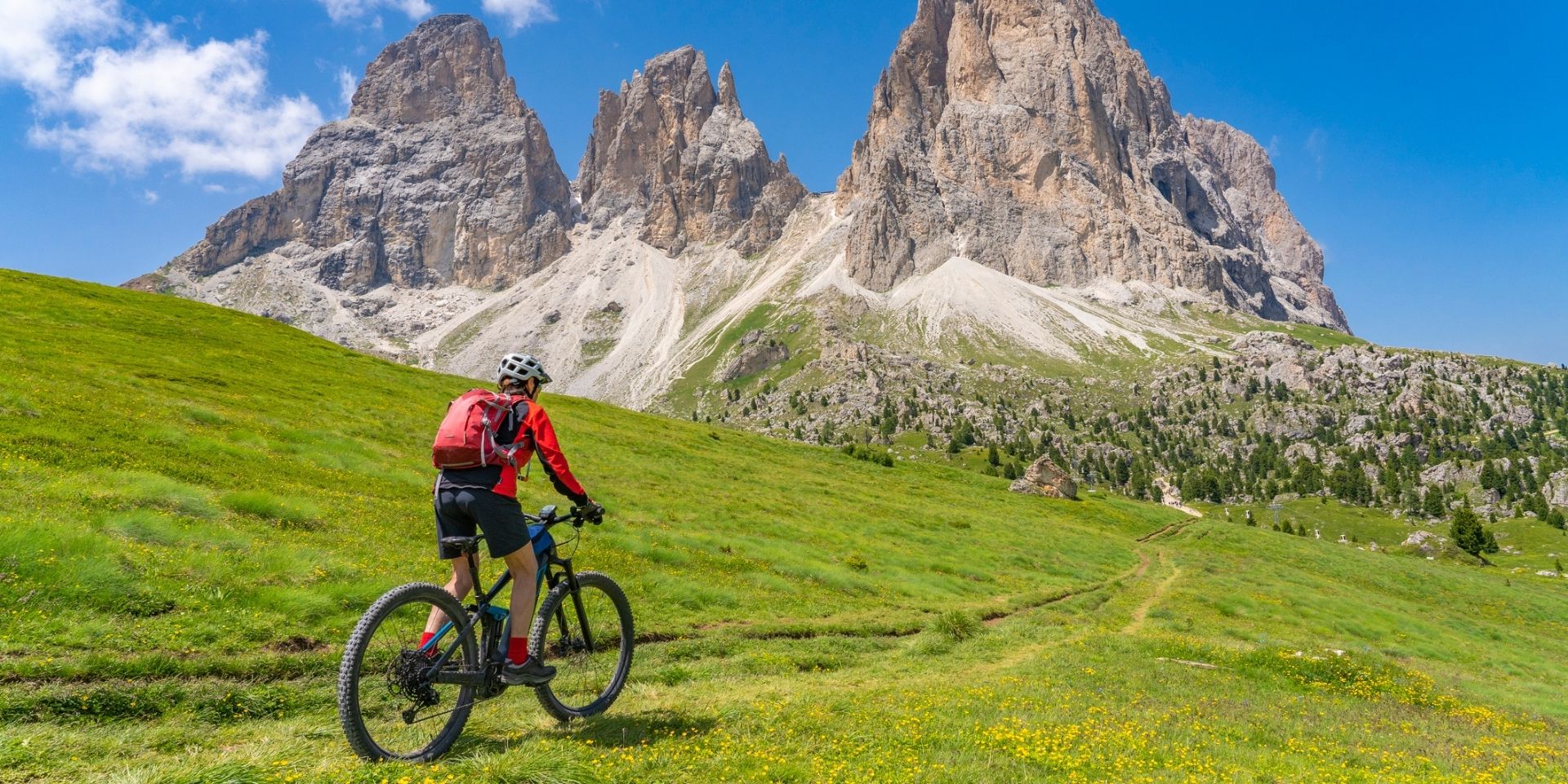
Cycling adventures: Road cyclists can challenge themselves on legendary mountain passes like the Sella Ronda circuit, which loops around the massive Sella Group through four different passes. Mountain bikers find paradise in the extensive trail networks surrounding Val Gardena and Val di Fassa, while those seeking a more relaxed experience can explore dedicated cycling paths in the valleys using e-bikes. The Dolomites have hosted numerous stages of the Giro d’Italia, cementing their reputation as a premier cycling destination.
Exploring World War I history: The Dolomites preserve a poignant historical legacy from the Great War, when the front line between Italian and Austro-Hungarian forces cut through these mountains. The open-air museum at Monte Piana and the restored trenches at Lagazuoi offer moving glimpses into the harsh mountain warfare conditions. Several via ferrata routes follow paths originally built by soldiers to navigate the steep terrain.
Experiencing local culture: Beyond outdoor activities, immerse yourself in the region’s unique cultural blend. Visit traditional woodcarving workshops in Val Gardena, sample Ladin cuisine with its distinctive Alpine-Mediterranean fusion, and explore charming villages where trilingual signs reflect the area’s multicultural heritage. During summer evenings, many towns host folk music performances celebrating local traditions.
Your perfect Dolomites adventure awaits
Planning travel to Dolomites opens the door to an extraordinary alpine experience that combines breathtaking landscapes, rich cultural heritage, and endless outdoor activities. Whether you’re carving turns on pristine ski slopes, hiking among jagged peaks, or cycling through picturesque valleys, this UNESCO World Heritage site delivers unforgettable memories. The region’s unique blend of Italian and Austrian influences creates a distinctive atmosphere you won’t find elsewhere in Italy.
Remember to consider the seasonal variations when planning your trip, arrange transportation that suits your exploration style, and select accommodations that provide the perfect base for your adventures. With proper preparation, your Dolomites journey will reveal the authentic soul of this remarkable mountain paradise.
Ready to experience the majesty of the Dolomites? Discover our specially curated bike and hiking holidays, featuring the best cycling routes and scenic trails through this spectacular region. Let FunActive Tours guide you through an unforgettable active adventure in one of Europe’s most stunning landscapes.