
Preparing for a trekking adventure starts with properly packing your backpack. Whether you’re planning a day hike in the Dolomites or a multi-day journey along Europe’s scenic trails, what you bring—and how you organize it—can make the difference between an enjoyable experience and a challenging ordeal. A well-packed backpack distributes weight evenly, keeps essentials accessible, and ensures you’re prepared for changing weather conditions without overburdening yourself. For outdoor enthusiasts who appreciate immersive travel experiences, mastering this skill is fundamental. At FunActive Tours, we’ve guided countless trekkers through breathtaking landscapes, and we’ve learned that thoughtful preparation enhances every adventure.
This article will walk you through the essentials of packing your trekking backpack, from selecting the right gear to organizing it efficiently, ensuring you’re ready to explore nature’s wonders with confidence and comfort.
Essential nutrition and hydration for trekking
Proper nutrition and hydration are the foundations of a successful trek. Your body requires consistent energy when hiking through varied terrains, especially when carrying a loaded backpack. Start by calculating your water needs—the general rule is to carry at least 1 liter for every 2 hours of moderate hiking, adjusting upward for hot weather or strenuous routes.
For water storage, consider a combination of a hydration bladder (which allows for easy drinking while moving) and a durable water bottle. Remember that mountain streams might look pristine but often require purification—lightweight water filters or purification tablets are worthwhile additions to your pack.
When it comes to food, focus on energy-dense options that combine complex carbohydrates, proteins, and healthy fats. Trail-friendly choices include:
- Nuts and dried fruits (almonds, walnuts, apricots, raisins)
- Energy bars or homemade granola
- Whole grain sandwiches with protein fillings
- Hard cheeses that withstand warmer temperatures
- Dark chocolate for quick energy boosts
Pack more food than you think you’ll need—trekking increases your caloric requirements significantly. Consider the accessibility of your snacks too; keep items you’ll want to grab quickly in outer pockets or at the top of your pack. For longer treks, lightweight dehydrated meals can provide substantial nutrition without adding significant weight.
Remember that salty snacks help replace electrolytes lost through perspiration, preventing muscle cramps and fatigue during challenging sections of your journey.
Smart clothing choices for variable conditions
Mountain weather is notoriously unpredictable, often presenting four seasons in a single day. The key to staying comfortable throughout your trek lies in mastering the layering system and selecting versatile, lightweight garments that adapt to changing conditions.
The foundation of your trekking wardrobe should be moisture-wicking base layers that pull sweat away from your skin. Merino wool offers natural temperature regulation and remains odor-resistant even after multiple days on the trail, while synthetic options typically dry faster. Avoid cotton at all costs—once wet, it stays wet, potentially leading to dangerous cooling of your body temperature.
Your mid-layer provides insulation and should be easily removable as your body warms during exertion. Lightweight fleece or down vests are excellent options that compress well in your pack when not needed. For outer protection, invest in a quality waterproof and breathable jacket with sealed seams and ventilation zippers.
Consider convertible hiking pants with zip-off legs, offering the versatility of shorts and long pants in one garment. Pack a spare set of base layers for summit stops or overnight treks—changing into dry clothes at your destination prevents post-exertion chills.
Don’t overlook accessories: a breathable hat with a brim protects from sun exposure, while a lightweight buff or neck gaiter serves multiple functions from sun protection to emergency face covering. Gloves and a warm hat should find their way into your pack even for summer alpine hikes, as temperatures can drop significantly at higher elevations.
Remember that even the best clothing choices won’t help if they’re inaccessible when needed—pack your layers so they can be quickly retrieved as conditions change during your journey.
First aid kit and health essentials for the trail
Even on well-marked trails with reliable mobile coverage, a compact first aid kit is non-negotiable for responsible trekkers. Your wilderness medical supplies should balance comprehensive coverage with practical weight considerations.
Start with addressing the most common trekking ailments: blisters, minor cuts, and muscle discomfort. Specialized blister plasters designed for hikers provide targeted relief and stay in place during continued movement. Include adhesive bandages in various sizes, sterile gauze pads, and medical tape for securing dressings. Antiseptic wipes or small bottles of disinfectant prevent infection in wilderness settings where clean water might be limited.
For muscle tension and pain relief, which frequently occur during demanding descents or after carrying a loaded pack, consider including anti-inflammatory medication and muscle relief patches. A small roll of kinesiology tape can provide support for strained joints or muscles without limiting mobility—particularly valuable for knee or ankle issues that might develop during multi-day treks.
Don’t forget emergency essentials: a lightweight emergency blanket reflects body heat and provides crucial protection if you’re unexpectedly caught in adverse weather. Tweezers serve multiple purposes, from removing splinters to extracting ticks that might attach during forest sections of your journey.
Personalize your kit based on individual health needs—if you have allergies, include antihistamines and potentially an epinephrine auto-injector. Those prone to altitude sickness should consult their physician about appropriate medications before trekking in high alpine environments.
While comprehensive medical training isn’t required for casual trekking, familiarizing yourself with basic wilderness first aid principles enhances your ability to effectively use the supplies you’re carrying, turning your kit from dead weight into a genuine safety resource.
Sun protection and weather considerations
The mountain environment presents unique challenges when it comes to sun exposure and weather patterns. At higher elevations, the atmosphere filters less ultraviolet radiation, significantly increasing your risk of sunburn even on seemingly cloudy days. This intensified exposure can occur unexpectedly, particularly when trekking above the tree line or across snowfields that reflect UV rays from multiple angles.
Comprehensive sun protection requires more than just remembering to apply sunscreen once at the trailhead. Pack a broad-spectrum sunscreen with SPF 50+ in a small, leak-proof container, applying it to all exposed skin 30 minutes before sun exposure and reapplying every two hours—more frequently if you’re sweating heavily. Don’t overlook often-missed areas like the back of your neck, ears, and the underside of your chin, which can receive reflected radiation from terrain below.
Quality sunglasses with UV400 protection shield your eyes from potential damage and reduce eye fatigue when trekking across bright landscapes. For extended journeys, consider polarized lenses that cut glare from water and snow surfaces, enhancing visibility and reducing strain. A wide-brimmed hat completes your sun defense strategy, providing shade for your face and neck throughout the day.
Beyond sun protection, remain vigilant about changing weather conditions. Mountain environments are notorious for rapid shifts—clear skies can transform into threatening storms within minutes. Monitor cloud formations as you trek, particularly watching for building cumulus clouds that may develop into thunderstorms. Position weather protection items like your rain jacket in an easily accessible section of your pack, allowing quick deployment when conditions deteriorate.
Remember that temperature drops approximately 1°C for every 100 meters of elevation gain, making layering essential even when valley forecasts suggest warm conditions.
Equipment and technical gear for your journey
The foundation of your trekking experience begins with selecting appropriate equipment that balances functionality, durability, and weight considerations. Your backpack itself deserves careful consideration—look for models with adjustable suspension systems that distribute weight effectively across your hips rather than straining your shoulders. For day hikes, a 20-30 liter capacity usually suffices, while multi-day treks may require 40-60 liters depending on season and self-sufficiency needs.
Trekking poles provide stability on uneven terrain and reduce impact on your knees during descents—particularly valuable when carrying a loaded pack. Opt for adjustable models that can be shortened for uphill sections and extended for downhills, with comfortable grips that won’t cause blisters during extended use.
Navigation tools remain essential despite smartphone capabilities. A physical map of your route and a compact compass serve as reliable backups when electronic devices fail or batteries deplete. If your trek ventures into higher elevations or technically challenging terrain, consider specialized equipment like microspikes for unexpected snow patches or a lightweight headlamp with sufficient battery life for emergencies.
Technology has enhanced the trekking experience through useful applications and devices. A fully charged mobile phone with downloaded offline maps provides convenience, while a portable power bank ensures extended battery life during longer journeys. Consider installing emergency location apps that can function without cellular coverage—they might prove invaluable in remote areas.
Don’t overlook practical items that enhance comfort and convenience: a small multi-tool handles unexpected repairs, while a lightweight sitting pad transforms rocky outcrops into comfortable rest spots. For waste management, pack a small waste bag to carry out all trash, adhering to leave-no-trace principles that preserve the natural environments you’re enjoying.
Remember that the best equipment serves your specific needs and the conditions you’ll encounter—there’s no universal gear list that works for every trekker and every trail.
Personal items and documentation necessities
Beyond technical gear and supplies, certain personal items and documentation ensure both your comfort and safety while trekking. Even on seemingly straightforward routes, proper identification and emergency information can make a critical difference if unexpected situations arise.
Always carry personal identification and relevant travel documents. For international treks, this includes your passport or appropriate border-crossing documentation. Within the European Alps, where trails often cross between countries without formal checkpoints, carrying identification remains legally required. Consider storing digital copies of important documents in an encrypted cloud service as backup.
Health insurance information should accompany you on every trek—including details about international coverage if you’re exploring beyond your home country. For those with pre-existing medical conditions, a condensed medical history and current medication list can provide crucial information to emergency responders if you’re unable to communicate.
Financial preparedness means carrying a modest amount of cash for unexpected needs or emergency transportation, plus at least one payment card. Store these items in a waterproof container or sealed plastic bag to protect against moisture damage during rain or river crossings.
Personal comfort items, while seemingly minor, can significantly enhance your trekking experience. Lightweight microfiber towels serve multiple purposes from drying off after rain to creating a clean surface for breaks. A small notebook and pencil allow you to record observations, track wildlife sightings, or exchange contact information with fellow trekkers you meet along the way.
If trekking with companions, discuss emergency protocols before departure—establish meeting points in case of separation and agree on check-in procedures. For family adventures, ensure each member carries identification and emergency contact details, with children having contact information visibly accessible in case they become separated from the group.
How to organize your backpack efficiently
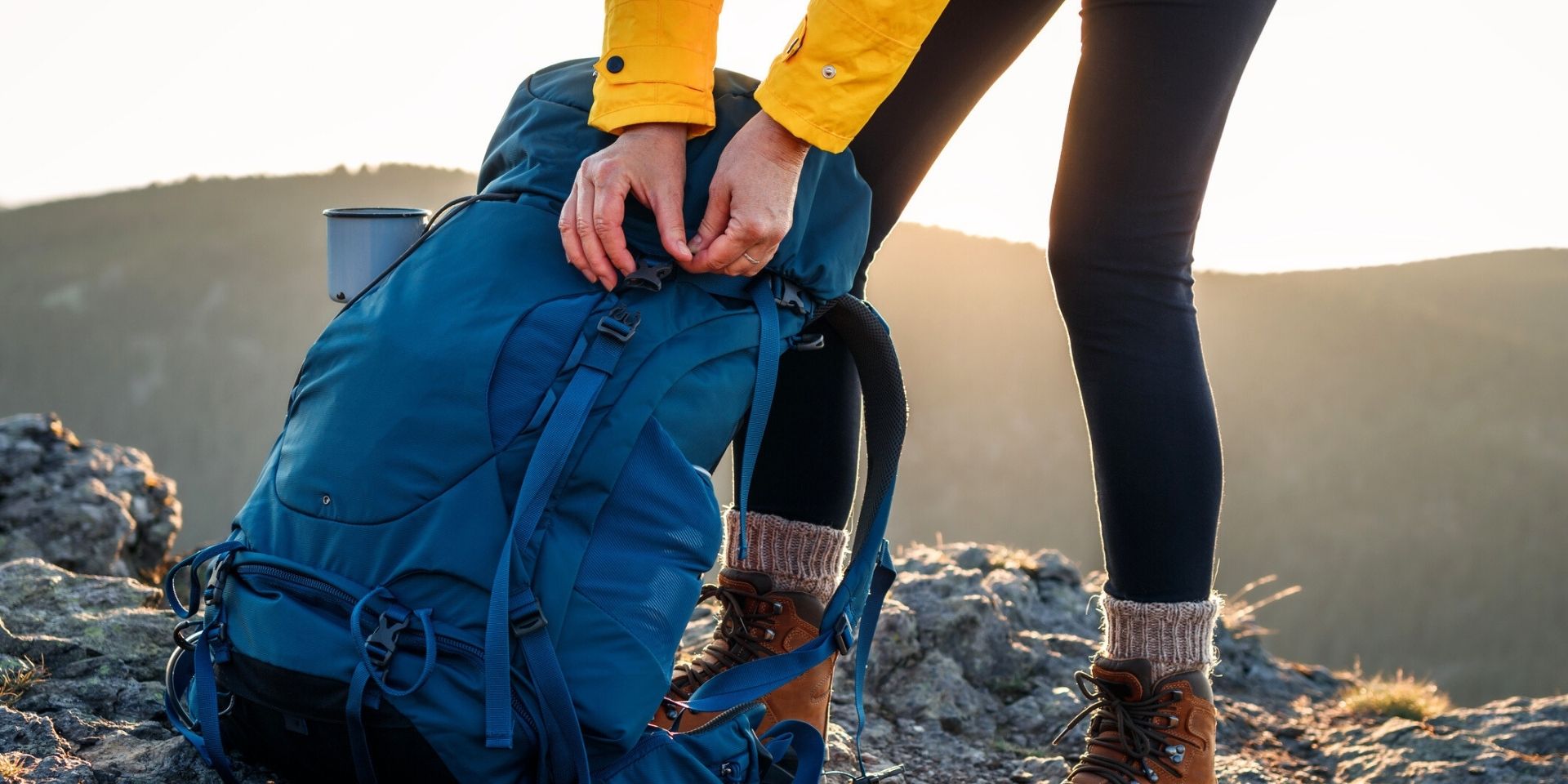
The strategic organization of your backpack transforms a jumble of essential items into a balanced, accessible system that enhances your trekking experience. Proper packing isn’t merely about fitting everything in—it’s about distributing weight correctly and ensuring critical items remain readily available when needed.
Begin with the foundational principle of weight distribution: heavier items should rest against your back, centered between your shoulder blades. This positioning keeps your center of gravity forward and stable, reducing strain and improving balance on technical terrain. Reserve the bottom section of your pack for items you won’t need until reaching your destination—sleeping gear for overnight treks or extra clothing layers for summit attempts.
The middle zone of your backpack should contain moderate-weight items like food supplies and cooking equipment. Your top section and outer pockets deserve special attention—reserve these accessible areas for items you’ll need throughout the day: snacks, navigation tools, first aid supplies, and weather protection layers. Remember that rain can arrive suddenly in mountain environments; positioning your waterproof jacket where you can retrieve it without unpacking is a practical necessity.
Consider using ultralight organizational systems like color-coded stuff sacks to group similar items, making them easier to locate without emptying your entire pack. Compression straps, both internal and external, stabilize your load and prevent shifting during dynamic movement on uneven terrain.
Before departing, perform a final weight check by wearing your fully packed backpack. Ideally, it shouldn’t exceed 20% of your body weight for comfortable day trekking, or 30% for overnight journeys. Make honest assessments about which items are truly essential—every unnecessary gram compounds fatigue over distance.
Remember that efficient packing is a skill developed through experience—each trek provides insights for refining your system. What works perfectly for alpine environments might need adjustment for forest trails or coastal paths.
Your adventure awaits: pack smart, trek confidently
Mastering the art of packing your trekking backpack is an evolving skill that enhances every outdoor adventure. By thoughtfully selecting and organizing your essentials—from nutrition and clothing to safety equipment and personal items—you create the foundation for memorable experiences on the trail. Remember that the most successful packing strategy balances preparedness with practicality, ensuring you have what you need without carrying unnecessary weight that diminishes your enjoyment.
At FunActive Tours, we’ve witnessed how proper preparation transforms challenging journeys into extraordinary adventures. Whether you’re planning your first day hike or preparing for a multi-day trekking expedition, we’re here to support your journey with expertly planned routes and comprehensive support.
Ready to put your packing skills to the test on some of Europe’s most spectacular trails? Explore our curated trekking experiences and discover the perfect adventure for your next outdoor journey.