
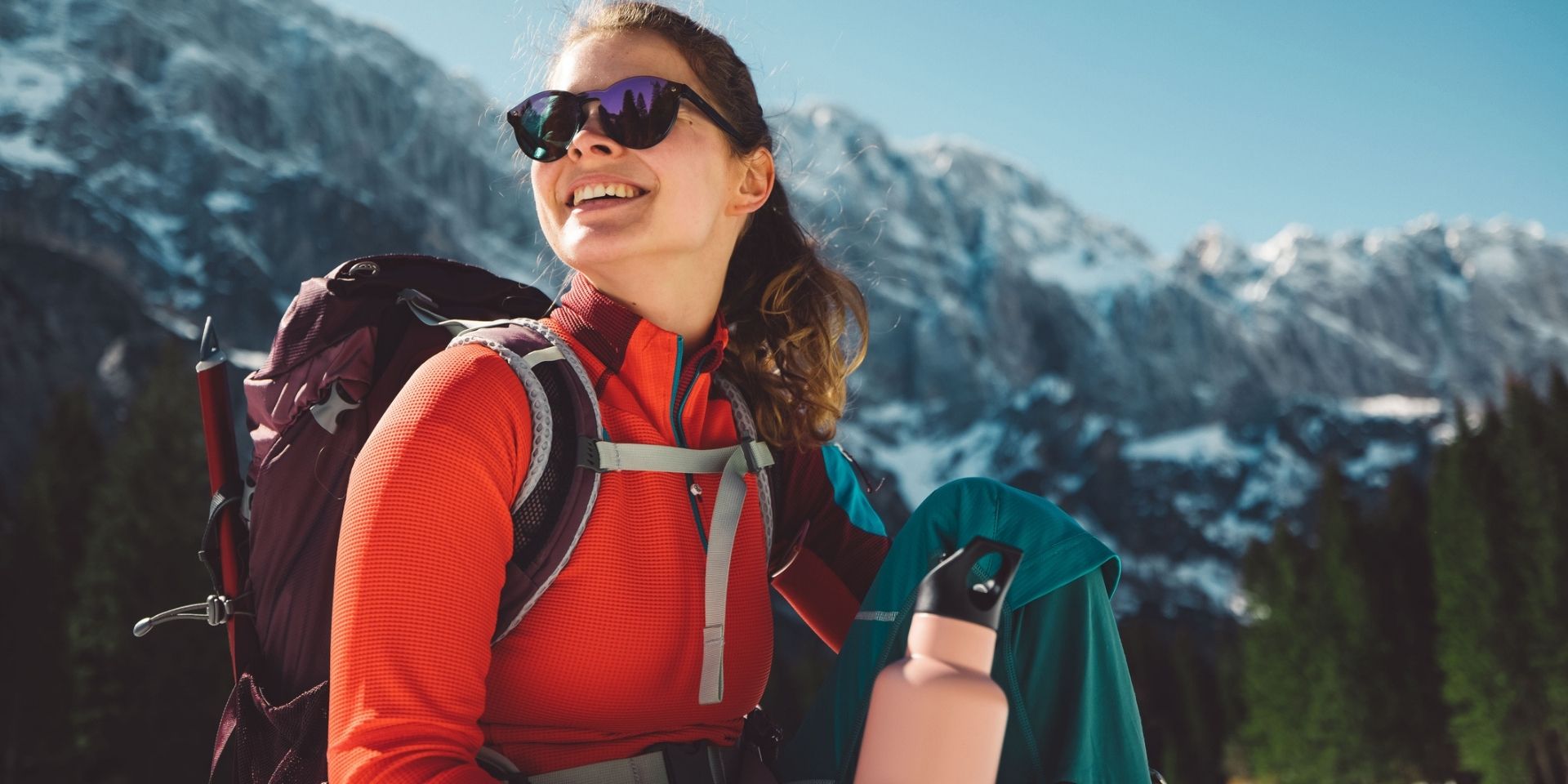
Trekking through diverse landscapes requires thoughtful preparation, with clothing being perhaps the most critical element of your gear. The right apparel doesn’t just provide comfort—it can be a matter of safety when you’re miles from shelter and facing unpredictable weather. Whether you’re traversing alpine meadows, dense forests, or rocky terrain, your clothing needs to adapt to both the environment and the season.
What makes optimal trekking clothing so essential is its ability to regulate your body temperature, manage moisture, and protect you from the elements. Too many layers in summer can lead to overheating and dehydration, while insufficient protection in winter might result in hypothermia. The challenge lies in finding versatile pieces that work together as a system, allowing you to adjust to changing conditions throughout your journey.
The key to mastering trekking attire lies in understanding the principles of layering, selecting appropriate materials, and adapting your choices to seasonal requirements. By investing in quality pieces that work harmoniously together, you’ll be prepared for whatever conditions nature presents, from scorching summer heat to frigid winter winds. Let’s explore how to optimize your trekking wardrobe for year-round adventures.
Seasonal layering systems for trekking success
The layering technique is the foundation of effective trekking attire across all seasons. This method allows you to adapt quickly to changing weather conditions and varying activity levels during your adventure. Think of your clothing as a dynamic system rather than individual pieces.
The classic three-layer approach includes:
- Base layer: This moisture-wicking layer sits directly against your skin, drawing sweat away to keep you dry. Merino wool and synthetic fabrics like polyester excel here, while cotton should be avoided as it retains moisture and loses insulating properties when wet.
- Mid layer: This insulating layer traps warm air near your body. Fleece, down, and synthetic fills are popular choices, with each offering different benefits in terms of warmth-to-weight ratio, performance when wet, and packability.
- Outer layer: Also called the shell layer, this protects against wind, rain, and snow. Look for breathable waterproof materials that allow vapor from sweat to escape while blocking precipitation from entering.
The beauty of this system lies in its adaptability. During intense uphill sections, you might strip down to just your base layer, while adding all layers during rest stops prevents your body from cooling too quickly. In transitional seasons like spring and fall, you might start the day with all three layers and gradually remove them as temperatures rise.
Mastering the art of layering means understanding not just what to wear, but when to add or remove pieces based on your activity level, the weather, and your personal thermoregulation needs.
Weather-ready apparel for spring and autumn adventures
Spring and autumn present unique challenges for trekkers with their unpredictable weather patterns. These transitional seasons offer spectacular experiences—blooming wildflowers in spring and vibrant foliage in autumn—but require particularly versatile clothing solutions.
Morning frost can give way to warm afternoons, while sudden rain showers appear with little warning. This variability makes these seasons perfect for demonstrating the effectiveness of the layering system. Start with a moisture-wicking base layer that keeps your skin dry as activity levels change throughout the day.
For mid-layers, consider lightweight, packable options that provide warmth without bulk. A lightweight fleece or merino wool sweater offers excellent insulation while remaining breathable enough for active movement. When temperatures drop, these layers trap warm air while still allowing excess heat and moisture to escape.
The outer shell becomes particularly important during these changeable seasons. Look for jackets with excellent water-repellent properties but also adequate ventilation features like underarm zips and adjustable cuffs. Many experienced trekkers favor shells with detachable hoods and multiple pockets for storing gloves or lightweight hats as conditions change.
For lower body protection, convertible pants that zip off at the knee provide excellent versatility. When paired with waterproof gaiters, they offer comprehensive protection against wet undergrowth and unexpected showers while adapting to temperature fluctuations.
Remember that spring trails often feature muddy sections from melting snow, while autumn paths can be slippery with fallen leaves. Both scenarios call for waterproof footwear with good traction, complemented by moisture-wicking socks that prevent blisters as conditions alternate between wet and dry.
Winter trekking: staying warm and protected in freezing conditions
Winter trekking transforms familiar landscapes into breathtaking snow-covered wonderlands, but requires meticulous attention to your clothing system. In freezing conditions, your apparel choices become critical not just for comfort, but for safety.
The layering principle becomes even more vital in winter, with each component playing a specific role. Begin with a thermal base layer made from synthetic materials or merino wool that provides excellent insulation even when damp from perspiration. For particularly cold conditions, consider heavyweight base layers or doubling up with a thin liner underneath.
Your mid-layer options should expand in winter to include multiple insulating pieces. A thick fleece combined with a down or synthetic insulated jacket creates an effective thermal barrier. The key difference between these insulation types: down offers superior warmth-to-weight ratio but loses insulating properties when wet, while synthetic fills maintain warmth even in damp conditions, though they’re typically heavier.
Your outer shell must be truly windproof and waterproof while maintaining breathability. Look for reinforced areas at high-wear points and features like snow skirts and sealed seams that prevent moisture ingress. Ventilation zippers become surprisingly important even in winter—during strenuous uphill sections, you’ll generate significant heat that needs to escape to prevent internal moisture buildup.
Don’t underestimate the importance of extremity protection. The body prioritizes core temperature, often at the expense of hands, feet, and head. Insulated waterproof gloves or mittens (the latter offering superior warmth), a windproof hat covering the ears, and a neck gaiter or balaclava provide essential protection for vulnerable areas. For footwear, insulated waterproof boots with aggressive traction patterns are non-negotiable, paired with wool or synthetic blend socks that retain insulating properties even when damp.
Summer hiking: balancing protection and comfort in hot weather
Summer trekking presents a different set of challenges compared to other seasons. While many assume hot weather means simpler clothing choices, the reality requires careful consideration to balance protection against heat, sun exposure, and unexpected weather changes that can occur in mountainous regions.
Even on the warmest days, the layering principle remains relevant. Start with a lightweight, loose-fitting base layer designed specifically for hot weather. Look for fabrics with UPF (Ultraviolet Protection Factor) ratings that block harmful rays while featuring antimicrobial properties to manage odor during multi-day treks. Synthetic fabrics with open weaves or specially designed polyester blends offer superior performance by maximizing airflow and evaporative cooling.
Contrary to what seems intuitive, covering more skin often provides better protection in hot weather. Lightweight, long-sleeved shirts with ventilation features protect against sunburn and reduce the need for constantly reapplying sunscreen. Some modern fabrics even incorporate cooling technologies that activate when wet with perspiration.
For lower body attire, quick-drying convertible pants with zip-off legs offer versatility when temperatures fluctuate between morning, midday, and evening. These allow for adaptation without carrying additional items. If opting for shorts, choose designs with longer inseams to prevent chafing during extended hikes.
Don’t leave your rain shell at home, even when forecasts predict clear skies. Summer thunderstorms can develop quickly in mountainous regions, and a lightweight, packable waterproof layer takes minimal space in your pack. Similarly, a thin insulating layer addresses unexpected temperature drops at higher elevations or after sunset.
Complete your summer trekking ensemble with appropriate headwear—wide-brimmed hats provide better protection than caps by shielding your neck and ears. For footwear, well-ventilated trail shoes paired with moisture-wicking socks prevent overheating while maintaining necessary support and protection.
Essential accessories and smart fabric choices for year-round trekking
Beyond the core clothing layers, certain accessories and fabric considerations can dramatically enhance your trekking experience regardless of season. These elements often make the difference between mere survival and genuine comfort on the trail.
Multifunctional accessories deserve prime space in every trekker’s pack. A quality neck gaiter or buff serves as a sun protector, dust filter, makeshift hat, or emergency bandage. Similarly, lightweight glove liners work across seasons—preventing sunburn in summer and providing a crucial first layer of warmth in winter.
Understanding fabric technology helps you make smarter investments in trekking apparel. When evaluating materials, consider these key properties:
- Moisture management: Look for fabrics with effective wicking capabilities that move sweat away from your skin. Polyester and nylon blends excel here, while merino wool offers natural antimicrobial properties that reduce odors during multi-day treks.
- Durability metrics: Examine denier ratings (fabric thickness) and ripstop construction in outer layers. Higher denier numbers indicate greater durability but usually come with added weight.
- Breathability vs. waterproofing: These properties often compete—as waterproofing increases, breathability typically decreases. Modern membranes like GORE-TEX and eVent attempt to balance both, but understanding this tradeoff helps set realistic expectations.
Smart packing requires considering how accessories complement your clothing system. A lightweight, compressible synthetic insulation piece serves as both emergency warmth and a comfortable pillow. Gaiters protect against trail debris while extending the effective height of your footwear in varying conditions.
Investing in quality accessories might seem excessive initially, but their versatility quickly proves their value. A well-chosen set of accessories allows you to fine-tune your comfort across changing conditions with minimal weight penalties, making them essential components of your optimal trekking wardrobe.
Dress for trekking success in every environment
The art of dressing for trekking adventures across all seasons comes down to understanding the fundamental principles of layering, selecting appropriate materials, and adapting your system to specific environmental challenges. By investing in versatile, high-quality pieces that work harmoniously together, you’ll be prepared for whatever conditions nature presents on your journey.
Remember that optimal trekking clothing isn’t about having the most expensive gear—it’s about creating a functional system that keeps you comfortable, protected, and able to fully immerse yourself in the natural beauty around you. Take time to test your clothing choices on shorter excursions before embarking on more ambitious adventures.
Ready to put your trekking wardrobe knowledge into practice on an unforgettable adventure? Explore FunActive’s specially designed trekking experiences that showcase Europe’s most breathtaking landscapes across all seasons.