
Nestled in the northwest corner of Italy, Piedmont (Piemonte) is a treasure waiting to be discovered by active travelers. This magnificent region combines breathtaking landscapes with extraordinary culinary traditions, making it the perfect destination for those who love to explore on two wheels or on foot. From the rolling hills of the Langhe region, covered with lush vineyards that produce some of the world’s most celebrated wines, to the majestic Alps that form a natural crown around the territory, Piedmont offers an incredible variety of experiences. Here, history, culture, and gastronomy blend seamlessly, creating a unique atmosphere that captivates visitors from the first moment. Whether you’re a cycling enthusiast looking for scenic routes through vineyards, a hiker seeking challenging trails with rewarding views, or simply a traveler who appreciates authentic food and wine experiences, Piedmont promises an unforgettable active holiday away from mass tourism.
The enchanting landscapes of Piedmont’s Langhe region
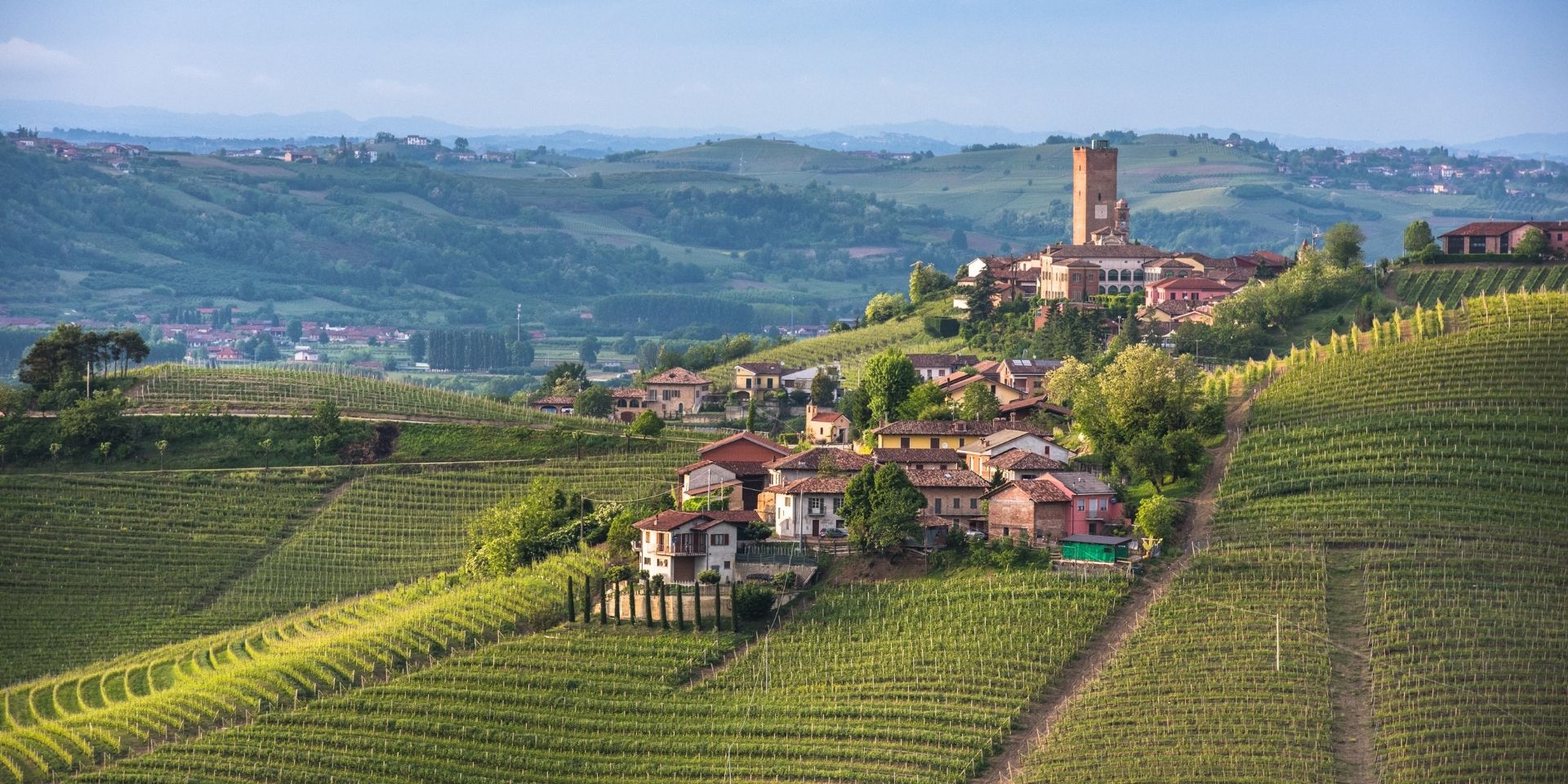
The Langhe region of Piedmont offers a visual symphony that captivates visitors from their first glimpse. This UNESCO World Heritage landscape presents a mesmerizing panorama of gentle hills adorned with meticulously maintained vineyards that stretch as far as the eye can see. What makes this area truly special is the harmony between natural beauty and human cultivation that has evolved over centuries.
As you traverse the undulating terrain, either on foot or by bicycle, you’ll witness how the landscape changes with the seasons: vibrant green in spring, golden under the summer sun, rich with the colors of harvest in autumn, and serene under winter mists. The Langhe’s unique microclimate and soil composition create the perfect conditions for growing the prestigious Nebbiolo grape, the foundation of the region’s world-renowned wines.
From elevated vantage points like La Morra, often called the “Balcony of Langhe,” you can enjoy breathtaking views that extend across the vineyard-covered hills all the way to the majestic Alps on clear days. This natural amphitheater presents different but equally stunning vistas at every turn, with medieval villages perched atop hills, ancient castles standing guard over the valleys, and the occasional dramatic ravine breaking the rolling rhythm of the landscape.
For active travelers, these landscapes offer more than just visual pleasure, they provide the perfect setting for unforgettable cycling routes and hiking trails that combine natural beauty with cultural discovery and gastronomic delights.
White truffles and hazelnuts: Piedmont’s gastronomic treasures
Piedmont’s culinary landscape is defined by two extraordinary ingredients that have achieved global recognition: the prized white truffle and the region’s exceptional hazelnuts. These gastronomic gems are not merely food items but cultural symbols that represent the essence of Piedmontese cuisine.
The Alba white truffle (Tuber magnatum) is often called “white gold” for good reason. More aromatic, delicate, and valuable than its black counterpart, this subterranean fungus grows wild in the forests around Alba, which has earned its reputation as the “Truffle Capital.” The name Alba itself means “white” in Italian, reflecting the town’s association with this precious ingredient. The truffle’s intense aroma transforms even the simplest pasta dish into a gourmet experience. Local tradition suggests pairing truffle dishes with the region’s elegant wines to fully appreciate their complex flavors.
Equally impressive in their own right are Piedmont’s hazelnuts, particularly those grown in the fertile clay soils of the Langhe plateau. These nuts are distinguished by their size, intense flavor, and exceptional crunchiness. The ideal growing conditions—abundant sunshine and the unique terroir—produce what many consider to be the world’s finest hazelnuts. Walking through the light-filled hazelnut groves during your hike provides a direct connection to this important agricultural tradition.
For active travelers exploring Piedmont, experiencing these culinary treasures offers a deeper understanding of the region’s cultural heritage. Whether you’re sampling fresh pasta dusted with white truffle in a family-run trattoria or enjoying hazelnut-infused desserts after a day of cycling, these flavors create memorable sensory experiences that complement the physical journey through the landscape.
Wine touring through Barbaresco and Barolo territories
Cycling or hiking through Piedmont offers a unique opportunity to immerse yourself in the legendary wine territories of Barbaresco and Barolo. These two areas, though only a few kilometers apart, produce distinctly different expressions of the noble Nebbiolo grape, creating wines that connoisseurs consider among the finest in the world.
The medieval village of Barbaresco, perched dramatically on a hillside, serves as both a picturesque destination and the namesake of its renowned wine. Often described as the “little brother” of Barolo, Barbaresco wines typically offer more elegance and accessibility while maintaining impressive complexity and aging potential. As you explore the village, the ancient tower provides spectacular views over the surrounding vineyards, while the local enotecas (wine shops) offer the perfect opportunity to taste these exceptional wines at their source.
Continuing your active journey through the region brings you to Barolo, the “King of Wines and Wine of Kings.” This small village, with its imposing castle and narrow streets, gives its name to one of Italy’s most prestigious wines. The unique microclimate and soil composition of the Barolo production zone—spanning several communes including La Morra, Monforte d’Alba, and Barolo itself—create wines of remarkable structure, complexity, and longevity.
What makes wine touring in Piedmont particularly special for active travelers is the intimate connection between physical exploration and sensory discovery. As you pedal or walk through these territories, you’ll witness firsthand how subtle variations in exposure, elevation, and soil create the different “crus” or vineyard sites that contribute to each wine’s distinctive character. Many family-run wineries welcome visitors for tastings, offering insights into traditional production methods that have been refined over generations.
Medieval towns and historical gems of Piedmont
Piedmont’s landscape is punctuated by enchanting medieval towns and historical sites that tell the story of this strategically important region. These architectural treasures provide fascinating destinations and cultural context during your active exploration of the area.
Treiso, perched majestically on a hilltop, offers more than just stunning views. This picturesque settlement dates back to Roman times when it was already appreciated as a holiday destination. Today, its narrow streets and traditional stone buildings create an atmosphere that transports visitors back through centuries of history. Nearby, the dramatic ravine known as Rocche dei Sette Fratelli (Rocks of the Seven Brothers) features impressive stone formations that local legends describe as seven monks turned to stone.
The medieval charm of Monforte d’Alba captivates visitors with its distinctive bell tower visible from miles around and the elegant Palazzo Scarampi. The town’s amphitheater-like structure creates a labyrinth of narrow lanes that wind upward, revealing hidden piazzas, excellent wine bars, and restaurants showcasing local cuisine. The medieval architecture here has been meticulously preserved, offering glimpses into the region’s prosperous past.
As your journey continues, you’ll encounter the impressive castles of Verduno and Roddi, silent sentinels that speak to Piedmont’s historical significance as a contested territory between powerful medieval factions. These fortifications, strategically positioned to control the surrounding valleys, now serve as dramatic landmarks and, in some cases, cultural centers or museums.
Niella Belbo presents another fascinating historical perspective with its unique architectural style influenced by Napoleon’s passage through the region. This “French” influence creates a distinctive character that stands out among Piedmont’s medieval towns, demonstrating how external forces have shaped the region’s cultural landscape over centuries.
Active adventures: hiking and cycling the panoramic routes of Piedmont
Piedmont offers active travelers some of Italy’s most rewarding outdoor experiences, combining physical activity with extraordinary views, cultural discoveries, and gastronomic delights. Whether you prefer exploring on foot or by bicycle, the region’s varied terrain provides routes suitable for all fitness levels, from gentle walks through vineyard-covered hills to scenic cycling paths along low-traffic roads and dedicated bike lanes.
For hikers, La Morra, often called the “Balcony of Langhe,” is a must-visit destination. Its elevated position rewards walkers with breathtaking panoramic views of the Barolo wine region, stretching all the way to Monte Viso and the Alpine chain on clear days. Trails from Alba meander through hazelnut groves and mixed forests, offering light-dappled woodland paths and hidden natural features, such as the ravine near Treiso. Circular routes connecting historic wine villages allow for a comprehensive journey through the region, with stops at family-run wineries, traditional farmhouses, and viewpoints unreachable by car.
Cycling enthusiasts can explore Piedmont along equally captivating routes. A ride from Turin to Fossano offers flat terrain ideal for a relaxed start, while the Langhe and Monferrato hills provide gentle climbs through Alba, Barolo, and beyond. These paths wind along picturesque roads, dedicated bike lanes, and well-maintained unpaved tracks, making it easy to enjoy the countryside at your own pace. Following the Po River, you can reach Casale, a serene town perfect for a scenic stop before continuing your adventure.
What makes both hiking and cycling in Piedmont truly special is the harmonious combination of natural beauty, cultural heritage, and culinary excellence. After a rewarding day on the trails or the bike, you can indulge in authentic local cuisine and world-class wines, from Barolo to Barbaresco, creating a full sensory experience that delights body, mind, and palate.
Experience the authentic soul of Piedmont with FunActive Tours
Piedmont captivates active travelers with its perfect blend of natural beauty, rich history, and world-class gastronomy. From cycling through the undulating vineyards of Langhe to hiking the panoramic routes that connect medieval villages, this region offers an authentic Italian experience away from mass tourism. Every trail leads to new discoveries, whether it’s sampling the legendary white truffles of Alba, tasting prestigious Barolo and Barbaresco wines at their source, or simply absorbing the breathtaking views from La Morra’s elevated position.
Ready to explore Piedmont’s treasures on two wheels? FunActive Tours has crafted exceptional cycling experiences that showcase the best this region has to offer. Our expertly designed routes take you through stunning landscapes while our local knowledge ensures you discover hidden gems along the way. From comfortable accommodations to luggage transport, we handle all the details so you can focus on enjoying the journey. Discover our Piedmont cycling holidays and start planning your active adventure through Italy’s gastronomic paradise today!