
Mountains offer some of the most breathtaking landscapes on our planet, attracting adventure enthusiasts from around the world. Whether you’re an experienced mountaineer or planning your first hiking trip, understanding and respecting the rules to follow in the mountains is essential for both your safety and the preservation of these magnificent natural environments.
The mountain environment demands a special kind of respect. Unlike urban settings, the mountains present unique challenges, rapidly changing weather conditions, rugged terrain, limited access to emergency services, and delicate ecosystems. What might seem like a simple walk can quickly transform into a challenging situation if you’re unprepared or disregard established mountain protocols.
This comprehensive article covers the fundamental principles every mountain visitor should embrace. From proper preparation and equipment selection to environmental responsibility and wildlife interaction, we’ll explore the essential rules that ensure a safe and enjoyable mountain experience.
Remember that mountain safety isn’t just about personal protection, it’s about being part of a community that values and preserves these natural wonders for future generations. By following these guidelines, you contribute to a culture of responsible outdoor recreation while maximizing your enjoyment of the mountain environment.
The golden rules for mountain safety
Mountain environments demand respect and careful navigation. Adhering to these fundamental safety principles can make the difference between an unforgettable adventure and a dangerous situation. The rules to follow in the mountains begin with thorough daily preparation.
Before setting out each morning, take time to review your planned route in detail. Even when traveling with an organized tour, personal familiarity with the day’s journey is essential. Study maps, understand elevation changes, identify potential rest points, and note emergency exit routes. This preparation empowers you to make informed decisions throughout your adventure.
Pace management is another critical safety element. Begin your journey at a moderate tempo, allowing your body to acclimatize gradually. Remember that mountain excursions aren’t races, the person with the lowest stamina should set the group’s pace, especially when traveling with children or less experienced hikers. Regular breaks are vital for energy conservation and enjoyment of the surroundings.
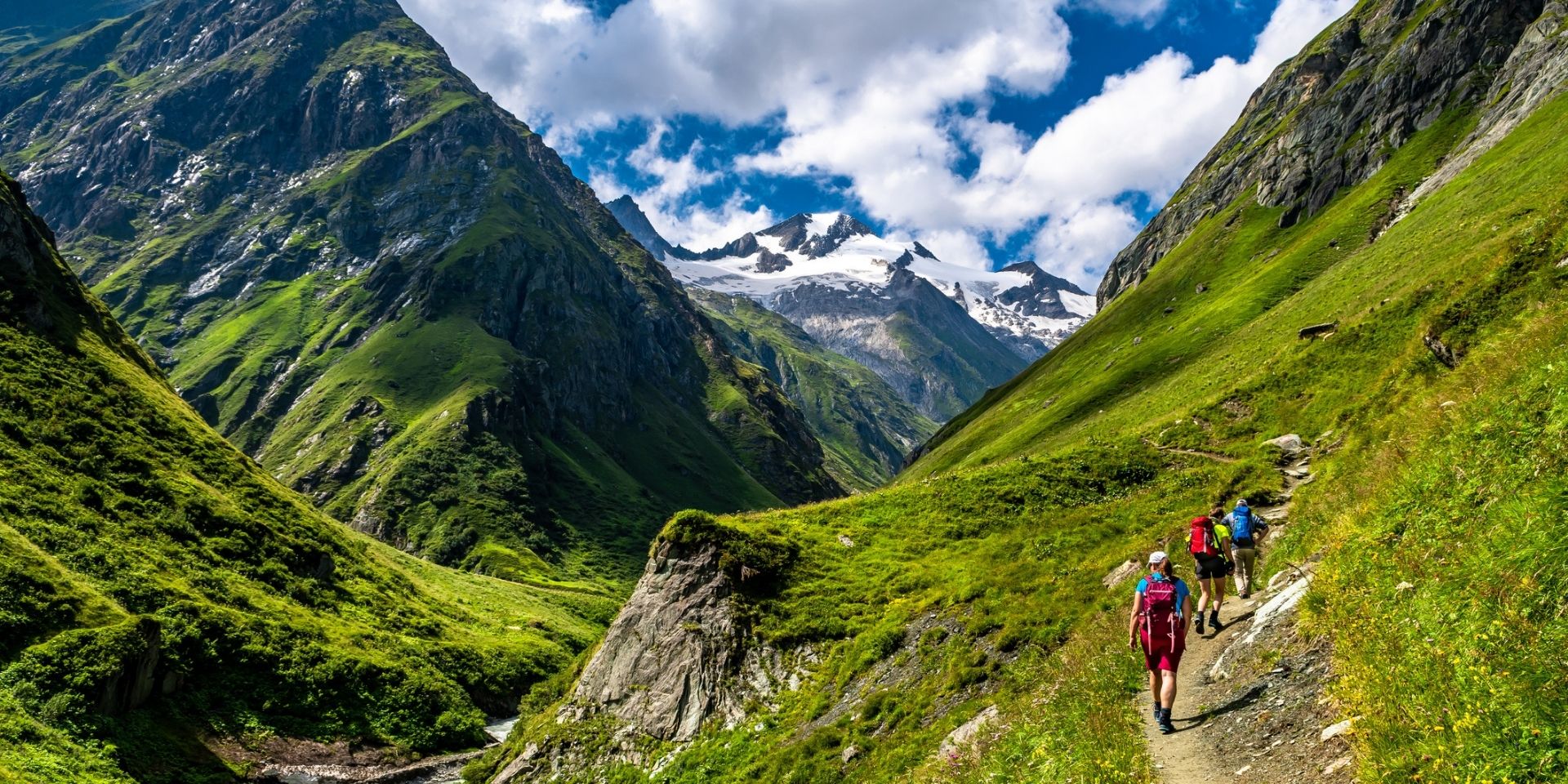
Always stay on marked trails. This simple rule prevents countless accidents and protects fragile mountain ecosystems. No matter how tempting a shortcut might appear, improvised paths often lead to dangerous situations and environmental damage. Marked trails are maintained specifically for safety and sustainability.
When encountering others on narrow paths, mountain etiquette dictates that the more agile person yields to those who may have difficulty maneuvering. Unlike rigid traffic rules, mountain passage is governed by courtesy and practical considerations, those in better physical condition should accommodate others when possible, creating a supportive community in these magnificent natural spaces.
Proper preparation and equipment for mountain adventures
The right equipment can be your lifeline in the mountains. While the specific gear needed varies depending on your activity—whether hiking, mountain biking, or climbing—certain essentials should always accompany you on any mountain excursion.
Quality footwear forms the foundation of mountain safety. Invest in proper hiking boots with ankle support and appropriate grip for the terrain you’ll encounter. Breaking in new boots before your trip prevents painful blisters that can turn an enjoyable hike into an ordeal. Remember that mountain paths often feature uneven surfaces, loose rocks, and occasionally muddy sections that demand reliable traction.
A well-organized backpack should contain multiple layers of clothing to address the temperature variations common in mountain environments. Mornings might begin cool, afternoons warm considerably, and evenings can bring surprising chills—even during summer months. Always pack a waterproof outer layer, as mountain weather can change rapidly without warning.
Hydration and nutrition deserve careful attention. Carry more water than you think necessary (at least 2 liters for a day hike) and high-energy snacks that provide sustained fuel. Trail mix, energy bars, fruit, and sandwiches make excellent mountain provisions. Even for short excursions, pack emergency rations that remain untouched unless truly needed.
Navigation tools remain essential despite technological advances. While smartphone apps provide convenient guidance, they should complement rather than replace physical maps and a compass. Electronic devices can fail due to battery depletion, damage, or lack of signal coverage. Additionally, your pack should include a basic first aid kit, emergency whistle, headlamp or flashlight, sun protection, and a multi-tool or knife for unexpected situations.
Environmental responsibility in alpine settings
Mountain ecosystems are remarkably fragile despite their imposing appearance. As visitors to these spectacular environments, we carry the responsibility to minimize our impact and preserve their natural integrity. Environmental stewardship represents one of the most crucial rules to follow in the mountains.
Waste management presents a particular challenge in alpine settings. The common misconception that organic waste “naturally decomposes” leads many hikers to discard fruit cores and peels along trails. While local produce may indeed decompose relatively quickly, imported fruits like bananas can take years to break down in alpine conditions and often contain pesticide residues harmful to wildlife. The gold standard approach is simple: carry out everything you carry in.
Trail preservation extends beyond waste concerns. When hiking, remain on established paths rather than creating new routes that contribute to soil erosion and vegetation damage. This seemingly minor choice significantly impacts landscape preservation over time as mountain soils regenerate extremely slowly. During wet conditions, stick to the center of trails rather than widening them by walking on edges, which accelerates erosion.
Respect for wildlife means observing animals from a distance without feeding or approaching them. Human food can disrupt natural foraging behaviors and create dangerous dependencies. Photography should never take precedence over animal welfare—maintain sufficient distance and never pursue animals for better shots.
Noise pollution, though often overlooked, disturbs both wildlife and other visitors seeking natural tranquility. Keep conversations at reasonable volumes and avoid playing music on external speakers. The mountain soundscape—birdsong, rustling leaves, and flowing water—provides its own perfect soundtrack that deserves preservation. By embracing these principles, we ensure these magnificent spaces remain pristine for future generations to experience.
Mountain etiquette and interaction with wildlife
The mountains foster a unique social environment where conventional formalities often give way to a more authentic community spirit. One of the most charming aspects of mountain culture is the universal greeting custom—in alpine settings, everyone greets everyone. Regardless of social status or background, a friendly “hello” acknowledges the shared appreciation for these magnificent landscapes and creates a supportive atmosphere among visitors.
When encountering fellow adventurers on narrow trails, patience and courtesy should prevail. Allow faster hikers to pass when safe to do so, and when you’re the one overtaking others, announce your presence gently before approaching. Cyclists should always yield to hikers, slowing considerably when passing and giving verbal warnings. Remember that pedestrians invariably have right of way on mountain paths unless you’re on designated cycling trails.
Alpine meadows often host grazing livestock, particularly cattle, creating potentially challenging situations for hikers. When encountering mountain cattle, maintain a respectful distance, especially from mothers with calves and bulls protecting their herds. Never attempt to pet, feed, or photograph animals at close range. If cows block your path, remain calm and give them wide berth rather than trying to rush through the herd. Young cattle might approach out of curiosity—if this happens, continue walking steadily without making sudden movements.
Mountain huts and refuges operate under their own set of unwritten rules. Visitors should respect quiet hours, remove boots at entrances, speak softly indoors, and follow the guidance of hut keepers regarding water usage and waste disposal. These facilities often operate with limited resources in challenging conditions, making considerate behavior essential. Remember that mountain hospitality is a cherished tradition—treat these spaces and their caretakers with appropriate appreciation.
Emergency protocols and weather awareness
Mountain weather can transform dramatically within minutes, turning a pleasant excursion into a potentially dangerous situation. Before departing each morning, check local forecasts specifically designed for mountain regions, as general weather reports often fail to capture alpine microclimate conditions. Many mountain areas now offer specialized mobile applications that provide real-time weather updates for specific peaks and valleys.
Learn to recognize warning signs of approaching storms. Rapidly building cumulus clouds, sudden temperature drops, increasing wind, and distant rumbling all indicate potential weather deterioration. If thunderstorms threaten, immediately descend from exposed ridges and summits. Avoid isolated trees, metal objects, and bodies of water during electrical storms. Seek shelter in depressions or valleys, maintaining distance from potential lightning strike zones.
If emergency situations arise, maintaining composure is paramount. For medical emergencies or when lost, contact mountain rescue services immediately—don’t wait until the situation deteriorates further. The international emergency number 112 works throughout Europe, while many alpine regions have dedicated mountain rescue numbers (like 140 in Austria and parts of Italy). When calling for help, clearly communicate your location, the nature of your emergency, number of people affected, and weather conditions.
If someone in your group sustains an injury, first ensure they’re moved to safety if immediate danger exists (rockfall, exposure). Never leave an injured person alone—if you’re in a group, send at least two people for help while others remain with the injured party. Use your first aid kit to provide basic treatment while awaiting professional assistance. Signal your position using bright clothing, flashlights, or emergency whistles (three short blasts repeated at intervals is the international distress signal).
Remember that prevention through proper planning and weather awareness remains your best defense against mountain emergencies. Respecting nature’s power and your personal limitations forms the foundation of mountain safety.
Embracing mountain wisdom for unforgettable adventures
The rules to follow in the mountains aren’t just about restrictions, they represent collective wisdom gained through generations of alpine exploration. By respecting these guidelines, you not only ensure your safety but also preserve these magnificent environments for future adventurers. Remember that mountain journeys offer something increasingly rare in our modern world: genuine connection with nature in its most majestic form.
Whether you’re planning your first mountain excursion or you’re a seasoned alpine enthusiast, approaching these environments with the right combination of preparation, respect, and wonder will transform your experience. The mountains reward those who tread lightly and mindfully with moments of extraordinary beauty and profound peace.
Ready to experience the mountains? Discover our mountain hiking experiences: at FunActive Tours, we combine thrilling outdoor experiences with responsible tourism practices, ensuring your mountain adventure is both exhilarating and sustainable.