

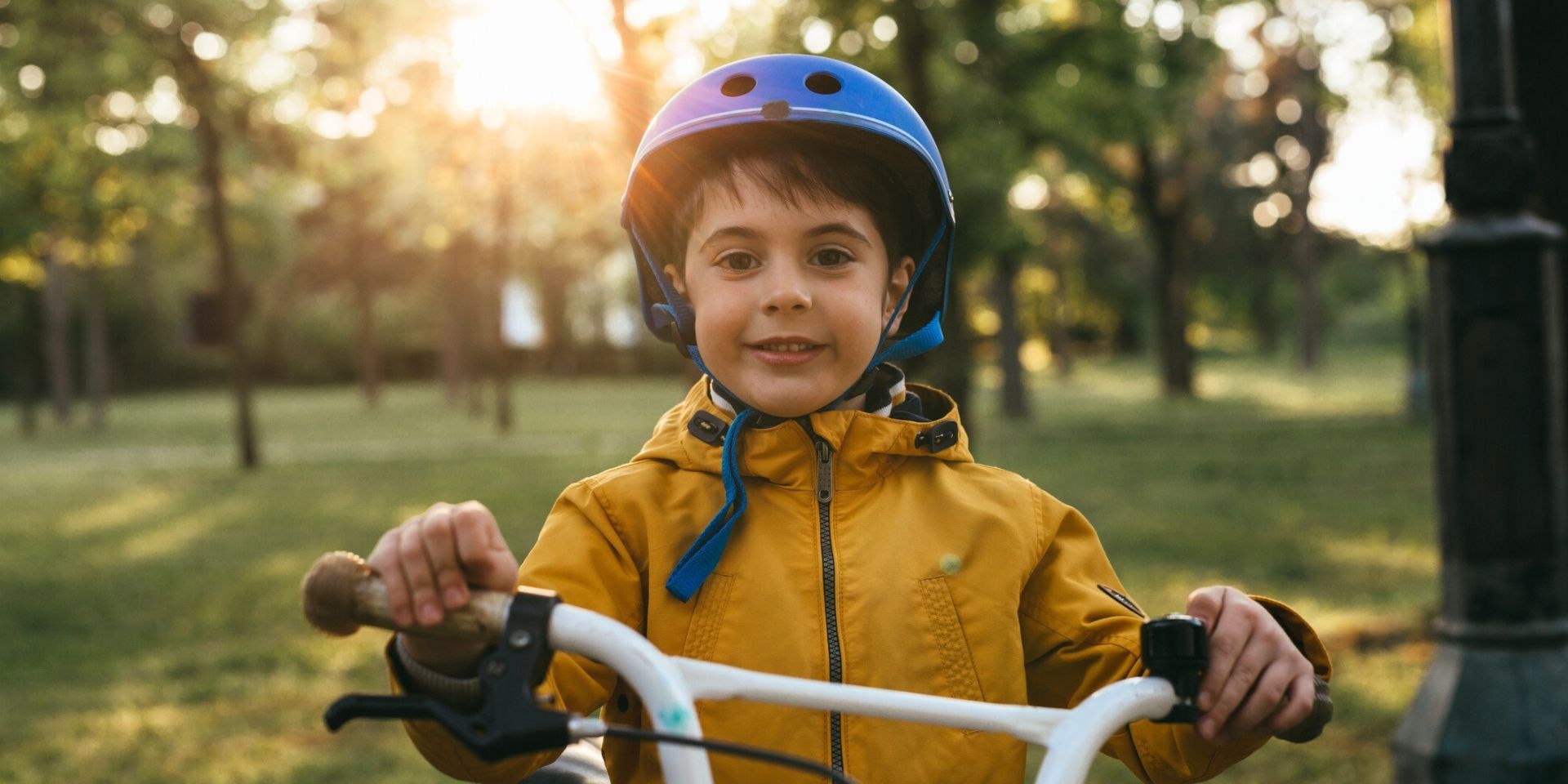
Setting off on a family cycling adventure begins with ensuring everyone’s safety, especially for the youngest riders. When it comes to protecting your children during bike rides, nothing is more important than selecting the perfect helmet. With countless options available in stores and online, finding the right balance between safety, comfort, and appeal can feel overwhelming. A properly fitted helmet is not just an accessory—it’s essential protection that could prevent serious injury during unexpected falls or accidents.
This article will help you navigate the key considerations when choosing the right helmet for children, from determining the correct size to understanding important safety features. Whether you’re planning a cycling holiday through picturesque European bike paths or simply enjoying weekend rides in your neighborhood, equipping your child with the proper helmet ensures peace of mind while they experience the joy of cycling.
Finding the perfect helmet size for your child
Determining the correct helmet size is the foundation of cycling safety for your child. Unlike adult helmets, children’s head sizes vary significantly with age and development, making precise measurement essential. The most accurate way to find the right size is to measure your child’s head circumference using a flexible measuring tape.
Place the tape about 2.5 cm (1 inch) above the eyebrows and ears, around the largest part of the head. This measurement, usually expressed in centimeters, will correspond to specific helmet sizes from manufacturers. Remember that children grow quickly, so it’s tempting to buy a helmet with “room to grow,” but this compromises safety—a helmet should fit snugly now, not later.
Most children’s helmets come with adjustable fitting systems that can accommodate some growth, typically offering about 2-3 cm of flexibility. These systems usually feature a dial or strap at the back that can be tightened or loosened. When shopping, bring your child along to try helmets on, as head shapes vary considerably even among children with identical measurements.
If you’re between sizes, opt for the smaller option with adjustment capabilities rather than a loose-fitting larger helmet. A properly sized helmet should sit level on the head, not tilted back like a cap or forward covering the eyes. When your child shakes their head, the helmet should move with the head, not independently—this indicates a good fit that will provide maximum protection during your cycling adventures.
How to ensure a proper helmet fit and positioning
Even the highest-quality helmet offers minimal protection if it’s not positioned and secured correctly on your child’s head. A properly fitted helmet should sit level, covering the forehead while remaining about two finger-widths above the eyebrows. Many parents make the mistake of allowing helmets to tilt backward, which leaves the forehead vulnerable in case of a fall.
The side straps form a crucial part of the fitting system. They should create a “Y” shape that meets just below each ear. Take time to adjust these straps carefully—they should be snug but not uncomfortable. The chin strap deserves equal attention; when fastened, you should be able to fit only one finger between the strap and your child’s chin. Any looser, and the helmet might shift during impact; any tighter, and your child will resist wearing it.
Here’s a simple checklist for testing proper helmet fit:
- The two-finger test: Ensure you can fit only two fingers between the eyebrows and helmet.
- The yawn test: When your child opens their mouth wide, they should feel the helmet pull down slightly.
- The shake test: Have your child shake their head from side to side and up and down—the helmet should move with the head, not independently.
- The vision test: Your child should be able to see straight ahead and peripherally without the helmet blocking vision.
Remember that fit adjustments may be needed as children grow or even when hairstyles change. Make checking helmet fit part of your pre-ride routine to ensure consistent protection on every cycling adventure.
Material quality and design: balancing safety with appeal
The materials and design of your child’s helmet play dual roles: ensuring maximum protection while creating an appealing product that children will actually want to wear. Modern children’s helmets typically feature an expanded polystyrene (EPS) foam inner layer that absorbs impact energy, covered by a hard plastic outer shell that distributes force and protects against punctures.
Quality helmets incorporate additional features like MIPS (Multi-directional Impact Protection System) technology, which adds protection against rotational forces during angled impacts. While these advanced safety features may increase the price, they provide significant additional protection for your child’s developing brain.
Ventilation is another crucial aspect of helmet design. Adequate airflow prevents overheating, especially during summer cycling adventures. Look for helmets with sufficient ventilation channels that don’t compromise structural integrity.
From your child’s perspective, however, safety features may be less compelling than the helmet’s appearance. Colorful designs, favorite characters, or cool patterns can transform a safety requirement into a desirable accessory. Many manufacturers now offer helmets that light up, feature adjustable designs, or include customizable elements that appeal to children’s creativity.
When selecting materials, also consider weight—a heavy helmet can cause neck strain and discomfort during longer rides, potentially discouraging your child from wearing it. The ideal children’s helmet balances lightweight construction with robust protection.
Finally, check that all materials are non-toxic and free from harmful chemicals. Quality manufacturers will specify compliance with safety standards regarding material composition, ensuring the helmet protects your child without introducing other health concerns.
Where to purchase reliable children’s bike helmets
When it comes to purchasing a helmet for your child, where you shop can be just as important as what you buy. Specialty bike shops offer significant advantages over general retailers or online marketplaces. These establishments employ knowledgeable staff who can provide expert guidance on proper fitting techniques, explain safety certifications, and recommend models appropriate for your child’s specific cycling activities.
In a physical store, your child can try on multiple helmets to find the most comfortable fit—something impossible when ordering online. Staff can demonstrate proper adjustment of straps and retention systems, ensuring you leave with a helmet that’s correctly fitted from the start. This hands-on assistance is particularly valuable for first-time helmet buyers.
If you prefer online shopping for convenience or selection, stick to reputable retailers specializing in cycling equipment. Look for detailed sizing guides and clear return policies that allow exchanges if the fit isn’t perfect. Some online retailers offer virtual fitting assistance through video consultations, bridging the gap between convenience and personalized service.
Regardless of where you shop, always verify that any helmet you consider meets recognized safety standards. In Europe, look for the EN1078 certification mark, which indicates the helmet has passed standardized safety tests. Other respected certifications include CPSC (Consumer Product Safety Commission) in the United States and ASTM International standards.
While it might be tempting to purchase used helmets or hand them down between siblings, this practice compromises safety. Helmets are designed for single-impact protection, and previous crashes—even minor ones—can create invisible damage that reduces effectiveness. Additionally, helmet materials degrade over time due to exposure to sunlight, sweat, and environmental factors. Always invest in a new helmet to ensure maximum protection.
Essential safety checks and maintenance tips
Purchasing the right helmet is just the beginning—regular maintenance and safety checks are crucial to ensure ongoing protection for your child. Make helmet inspection part of your pre-ride routine by checking for any cracks, dents, or damage to the outer shell. Even small fractures can compromise the helmet’s structural integrity during an impact.
Pay particular attention to the foam liner inside the helmet. If it appears compressed or damaged, the helmet’s ability to absorb shock has been reduced. Similarly, examine all straps and buckles for signs of wear, fraying, or malfunctioning clips. A helmet with damaged retention systems cannot stay properly positioned during a fall.
Cleaning your child’s helmet regularly not only extends its lifespan but also ensures comfort. Most manufacturers recommend gentle washing with mild soap and water—avoid harsh chemicals or solvents that could degrade materials. After cleaning, allow the helmet to air dry completely before the next use, as moisture can damage internal components.
When should you replace your child’s helmet? Even without visible damage, helmets should be replaced after any significant impact. This includes crashes where the helmet contacted the ground, even if there’s no apparent damage. The foam liner compresses during impact to absorb energy—once compressed, it cannot provide the same level of protection again.
Growth also necessitates replacement. Children’s heads grow quickly, and a helmet that fit perfectly last season may be too small now. Conduct monthly fit checks during growth spurts to ensure continued protection.
Most manufacturers recommend replacing helmets every 3-5 years regardless of condition, as materials naturally degrade over time due to exposure to sweat, sunscreen, and environmental factors. This timeline may shorten with frequent use, especially if your child cycles regularly in hot or humid conditions that accelerate material breakdown.
Protecting young cyclists: an investment in safety and adventure
Selecting the right helmet for your child is one of the most important decisions you’ll make as you prepare for family cycling adventures. By focusing on proper sizing, correct fit, quality materials, and reliable retailers, you’re not just purchasing safety equipment—you’re investing in peace of mind and your child’s cycling future. Remember that a helmet is only effective when it’s worn consistently and correctly, so involve your children in the selection process to ensure they’re excited about wearing their protective gear on every ride. Regular maintenance and timely replacement will extend the protection your investment provides.
Ready to put that new helmet to good use? Explore Funactive’s family-friendly bike holidays designed specifically for cycling enthusiasts of all ages. Our carefully selected routes combine safety with scenery, allowing your family to discover Europe’s most beautiful landscapes while enjoying the security of professional planning and support. Contact us today to start planning your next family cycling adventure!